FURIA celebrated its ninth anniversary in August, but the Brazilian organization has seen a series of leadership changes in recent months. The company has cut the role of co-CEO from its operations, said goodbye to its CFO, and decided not to reintroduce the role in its traditional format.
At the same time, FURIA has re-evaluated its approach to sponsorships, seeing partnerships primarily as investments in the future, and created a new position to coordinate all partnership efforts.
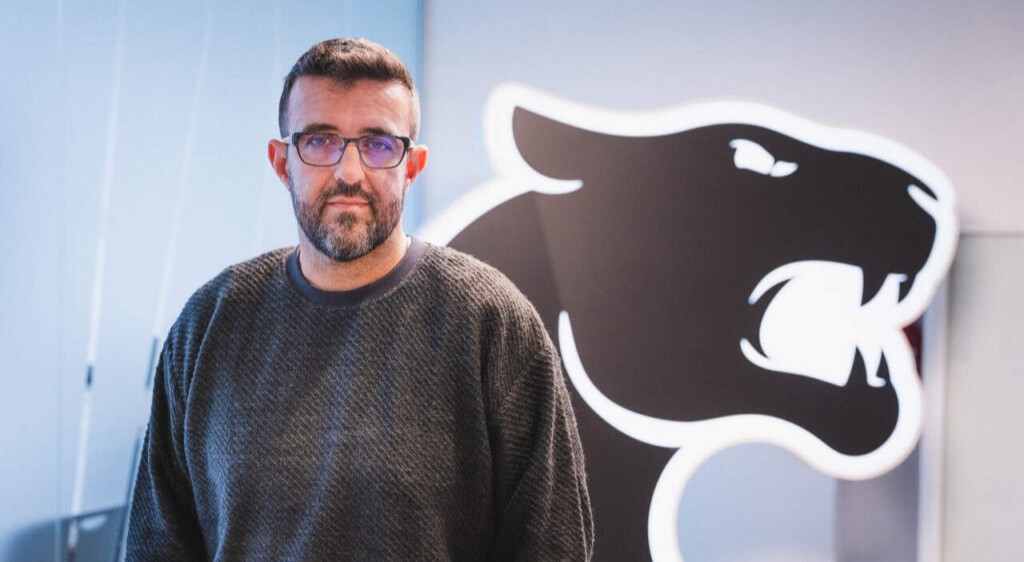
André Accari spoke to The Esports Radar about the reasons for the recent changes at FURIA, as well as the organization’s future plans. The co-founder and CEO explained how FURIA’s structure is changing and what its future direction will be.
The club strives to be more compact and financially efficient
After former co-CEO Jaime Padua stepped down from day-to-day management, André Accari explained the main objective of FURIA’s massive restructuring. The organization aims to remain as compact and financially disciplined as possible, as it competes for the same investors and sponsors as much larger clubs.
“We are very careful to create as lean a team as possible so that the company remains financially sound,” Akkari noted, adding that such changes are a normal part of FURIA’s development.
As part of the restructuring, the organization also said goodbye to CFO Marco Guereto. At the same time, his cooperation with the club did not end: Guereto remained a shareholder and advisor, but is no longer involved in daily operational decisions.
According to Accari, one of the indicators of the success of FURIA’s strategy is brand awareness. In 2025, the organization entered the top 20 Brazilian brands in terms of activity on Instagram, ahead of, in particular, its partner adidas. At the same time, the CEO emphasizes that high awareness does not mean proportional growth in revenue.
For FURIA, the value of partnerships lies not only in financing, but also in access to the experience of the leaders of large brands. Accari noted that such interaction helped to raise the level of the organization’s own team.
Currently, FURIA has 12 active sponsors, and additional sources of income remain licensing and merch sales. The organization also continues to develop its apparel line through collaborations with Champion, New Era, and other brands, including Red Bull.
Falling sticker revenue hits the entire market
Andre Accari specifically addressed the decline in sticker revenue at the CS2 Major. According to him, this has already had a significant impact on the cash flow of esports organizations. At the same time, FURIA is in a somewhat more advantageous position due to its diversified sponsorship base – the club has about 12 main partners.
Accari emphasized that for organizations that largely depend on stickers, the situation is much more difficult. He called the drop in revenue “devastating” not only for clubs, but also for the entire market and even Valve.
Financial difficulties have also become one of the factors behind the recent changes within FURIA. The restructuring has already affected design, production, communications and social networks, but, according to Accari, the process will not end there. The organization plans to continue changes and reduce costs.
At the same time, the FURIA CEO assured that the recent layoffs were not related to the quality of employees’ work. The reason was personal decisions or financial circumstances that forced the club to reconsider its cost structure.