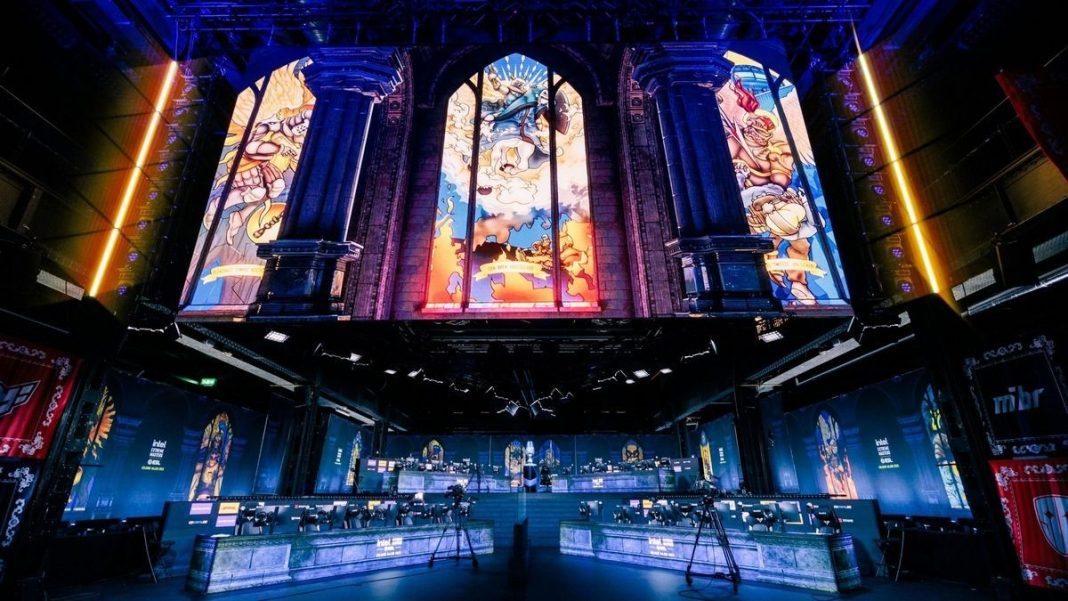
During the IEM Cologne Major 2026, Sebastian Weishaar, Director of Esports at ESL FACEIT Group, spoke with e.sport.fr. In the interview, he assessed the changes the industry has undergone recently, touched on current challenges, and explained why he is optimistic about its future development.
After several challenging years marked by restructuring, layoffs, and financial difficulties, Weishaar believes that esports is gradually transitioning into a more mature and stable phase. At the same time, he notes that the industry still faces serious challenges. He cites the effective monetization of the audience as one of the key challenges for the coming years.
Industrial Recovery and the Challenge of Monetization
According to Sebastian Weishaar, the esports industry has already recovered from the difficult post-COVID period, and the economic challenges have forced it to become more mature and resilient. He notes that a wave of consolidations and the disappearance of certain companies and teams ultimately revitalized the market, which has moved away from models built solely on enthusiasm and a desire for rapid growth without a clear understanding of financial viability.
Despite his optimism regarding the overall state of the esports industry, Weishaar draws attention to a problem that, in his view, remains unresolved: the monetization of tournament broadcast rights. In traditional sports, media rights are one of the main sources of revenue: they can account for anywhere from two-thirds to 75% of total revenue. Esports, however, is currently in a very different situation, as its tournaments are predominantly streamed for free on platforms such as Twitch and YouTube, and the financial returns from such streams remain minimal.
Weisshaar believes that this model will not be able to ensure the industry’s stable development in the long term. In his view, esports must, one way or another, solve the problem of monetizing its audience; otherwise, it will be difficult to talk about stable profitability and the sector’s continued prosperity. At the same time, the head of the ESL FACEIT Group does not support the idea of a sudden transition to fully paid broadcasts. He emphasizes that it is impossible to simply lock all content behind a paywall overnight—such a model, in his opinion, will not work. Instead, the industry should gradually develop premium offerings that are so appealing to viewers that they themselves are willing to pay a few euros a month for them.
Future Prospects for the Industry
Despite the economic challenges the industry still faces, Weishaar is optimistic about its prospects for the coming years. One of his main arguments is the generational shift and how society’s attitude toward video games has changed over time. While in the past, a passion for games might have been seen as unusual, today they have become a familiar part of everyday life.
Weisshaar expects that the generation growing up with video games from an early age will become an important part of the esports audience in the future. People who are currently 10, 15, or 20 years old are unlikely to lose this connection to gaming as they get older. In his view, this will naturally contribute to the growth of the esports viewership, help attract new sponsors, and open up additional economic opportunities for the industry.
It is precisely this long-term trend that strengthens Weishaar’s confidence in the sector’s prospects. He emphasizes that esports already has a significantly younger audience than most traditional sports, and over time, this advantage may become even more pronounced. Therefore, the head of the ESL FACEIT Group is convinced that the future of esports remains very promising.