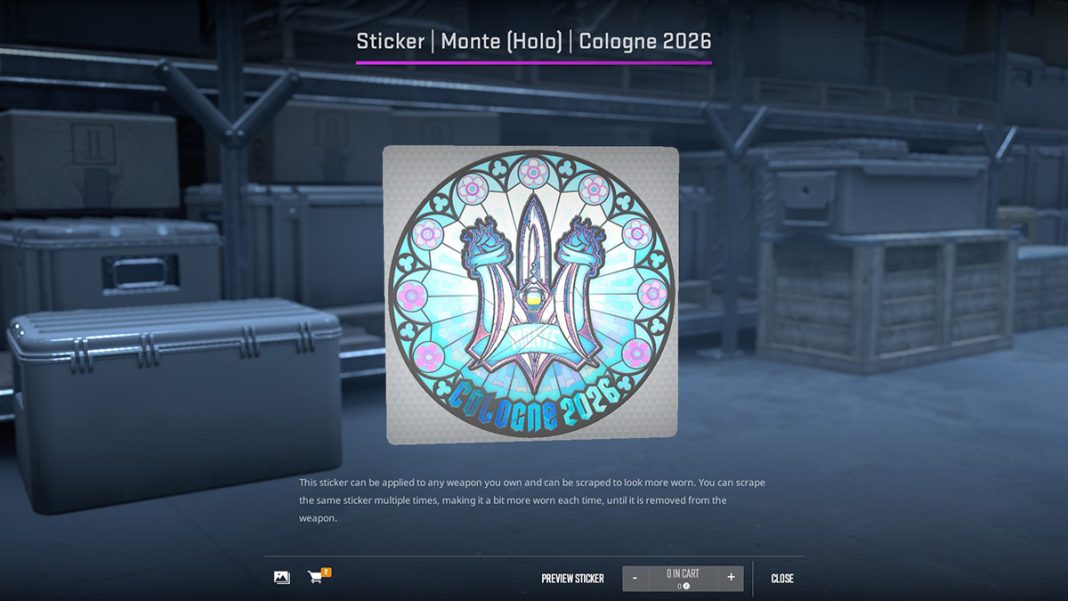
Many organizations are currently reviewing their budgets, which is leading them to avoid risky transfers. Instead of making major roster changes, clubs are increasingly prioritizing financial stability. One reason for this cautious approach is the recent changes to the sticker system that Valve implemented ahead of the IEM Cologne Major.
How Valve’s changes have affected team revenues
As HLTV notes, Valve has radically changed its approach to sticker sales ahead of the IEM Cologne Major. Instead of the usual capsules, a token system is now in place, allowing players to purchase the stickers they want immediately, with prices determined by demand. At the same time, the company revised its revenue-sharing model: half of the profits from the Major store and passes go to participants in the ecosystem, of which 5% goes to the tournament organizer, and the rest is distributed among the teams based on their position in the Valve rankings and their performance at the Major. The reward for each player is split equally between the player and their organization.
After the new system was launched, prices for the most popular stickers rose rapidly, making them less accessible to a significant portion of the audience. Whereas fans used to be able to try their luck by opening capsules for a few dollars, now the most sought-after items often cost significantly more. As a result, market activity has dropped noticeably, as many users have stopped buying and trading expensive stickers.
One of the teams that was eliminated in the first stage of the Major earned about $60,000 from sticker sales. Taking into account player payouts under the new distribution scheme, the total amount comes to approximately $120,000.
By comparison, at the previous Major in Budapest, even teams with Contender status earned about $600,000. At the same time, one of the teams from the second stage told the publication that, following the tournament in Cologne, its earnings have so far exceeded only $120,000.
Uncertainty is changing the clubs’ plans
Small organizations, which for years had relied on the Major as an opportunity to strengthen their financial position, were hit hardest by the reform of the sticker system. SINNERS co-founder Azkadar admitted that immediately after the announcement of the new model, he realized the team would not see the expected revenue. The organization had qualified for the Major for the first time in over six years, hoping not only to establish its name in Counter-Strike but also to recoup previous losses. However, Valve’s changes completely derailed these plans, as contracts, bonuses, and transfer fees had been structured based on the old system.
According to club representatives, proceeds from sticker sales previously allowed them to invest in academy development, infrastructure, and salary increases, whereas the new mechanism has made such revenue significantly less predictable. Additional difficulties arose from the automatic distribution of payments between organizations and players, which rendered some contracts obsolete and forced clubs to renegotiate their terms of cooperation.
Now, organizations are incorporating scenarios for potential changes to Valve’s rules into new agreements, as they are not confident that the current system will remain unchanged until the next Major.
The consequences of the reform are already extending far beyond the decline in revenue from stickers. Following Valve’s changes, some organizations have begun to question the wisdom of continuing to invest in Counter-Strike: Gaimin Gladiators have already left the scene, and other second-tier clubs are also considering downsizing or disbanding their rosters. Team representatives emphasize that qualifying for a Major used to be the main financial incentive that justified years of investment in transfers, travel, and player development.
Now that this model no longer works, clubs are becoming much more cautious with their spending, anticipating salary cuts and opting out of expensive transfers. At the same time, many hope that Valve will revise the new system before the next Major, as the current format, according to scene representatives, weakens the second tier of teams and threatens the entire Counter-Strike ecosystem, which relies heavily on healthy competition outside the top tier.